
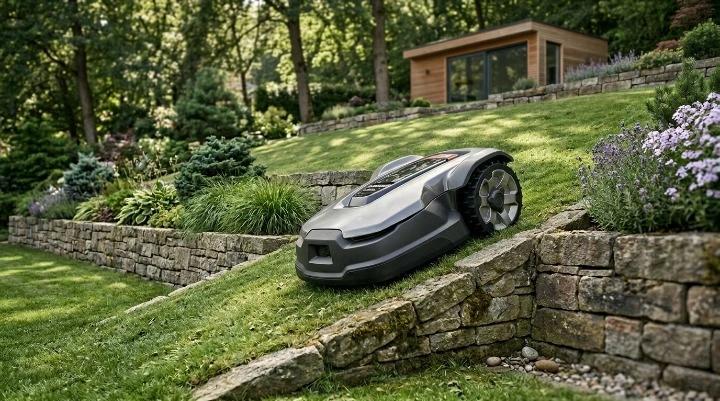
Robotic lawn mowers have transformed yard maintenance, making it easier than ever to keep your lawn neat with minimal effort. But one common question among owners is: how long do their batteries actually last? Understanding battery lifespan is crucial not only for planning replacements but also for ensuring your mower performs reliably throughout the mowing season. In this guide, we break down the typical lifespan of robotic mower batteries, how long a single charge lasts, and practical ways to prolong battery life.
Quick Answer
Most modern robotic lawn mower batteries, especially lithium-ion types, last between 3 and 5 years, depending on usage, lawn size, and care habits. A fully charged battery typically powers the mower for 45 to 90 minutes per mowing session, with runtime influenced by terrain, grass height, and the mower model.
Pro Tip: Regularly storing your mower and battery in a shaded, frost-free location during off-season can help maintain peak battery performance.
Average Lifespan of Robot Lawn Mower Batteries
The lifespan of a robotic lawn mower battery depends largely on the type of battery and how it’s used and maintained. Here’s a breakdown of what to expect:
- Lithium-ion (Li-ion) batteries: These are the most common in modern robot mowers. With proper care, they typically last 3–5 years, sometimes reaching 6–7 years in ideal conditions. Factors like seasonal use, ambient temperature, and charging habits play a key role.
- Lead-acid batteries: Older models may use sealed lead-acid batteries. These usually last 2–3 years and are more sensitive to overcharging or extreme temperatures.
- LiFePO4 (Lithium Iron Phosphate) batteries: Less common but highly durable, these can last 5–8 years, offering consistent performance even in harsher climates.
Real-world insights:
A Facebook user discussing the Mammotion Luba series noted that some batteries lasted at least 5 years, depending on maintenance and climate.
Battery life question
View PostKey takeaway: Even the best battery will degrade over time. Seasonal storage, avoiding full discharges, and keeping the mower clean can help you get the maximum lifespan.
How Long Does One Charge Last?
One of the most common questions for robot lawn mower owners is: “How long can my mower run before needing a recharge?” The answer depends on the battery type, mower model, and lawn conditions.
Typical Runtime by Battery Type
- Lithium-ion batteries: Most modern robot mowers with Li-ion batteries run 60–90 minutes per charge under normal lawn conditions. High-capacity models or larger batteries can extend this to 120 minutes.
- Lead-acid batteries: Older or smaller models often run 30–60 minutes before requiring a recharge.
- LiFePO4 batteries: Premium mowers with LiFePO4 batteries can reach up to 2 hours, thanks to their higher efficiency and resistance to degradation.
Real-World User Reports
On Reddit, a Husqvarna 315X owner noted that their mower averaged about 1 hour per charge, with occasional spikes to 1 hour 30 minutes depending on grass height and terrain.
Another user reported that mower runtime could drop if the lawn has slopes or thick grass, as the motor works harder, reducing effective mowing time.
How many minutes of mowing time do you get from one charge cycle?
View DiscussionFactors That Can Reduce Runtime
- Tall or dense grass: Heavier cutting load drains the battery faster.
- Steep slopes or uneven terrain: Extra power is needed to maintain traction.
- Cold temperatures: Lithium batteries are less efficient below 0°C (32°F), shortening runtime.
- Aging battery: Over time, maximum capacity decreases, reducing per-charge mowing duration.
Pro tip: Avoid letting your mower discharge completely before recharging. Partial charging cycles can actually extend battery lifespan while maintaining consistent runtime.
What Affects Battery Lifespan?
The lifespan of a robotic lawn mower battery is influenced by multiple interrelated factors. Understanding them can help you maximize performance and avoid premature replacement.
1. Battery Type and Quality
Not all batteries are created equal. Most modern robot mowers use Lithium-ion (Li-ion) or LiFePO4 batteries. Li-ion batteries are lightweight, efficient, and offer 3–5 years of reliable service, while LiFePO4 batteries can last up to 8–10 years if properly maintained.
Real-world note: A Facebook user with a Mammotion Luba 2 5000x reported that lithium batteries can last for the entire mowing season for several years without noticeable degradation, assuming careful usage.
Older or cheaper models using lead-acid batteries often experience faster capacity loss, particularly if fully discharged regularly.
2. Usage Patterns and Lawn Conditions
How you use your mower has a significant effect on battery longevity:
- Frequency of mowing: Daily mowing keeps the battery active, but excessive cycles without rest can accelerate wear.
- Grass height and density: Thick or overgrown lawns increase the load on the motor, causing faster depletion and more heat buildup.
- Terrain and slopes: Steep inclines or uneven ground demand more energy, subtly reducing overall battery life over time.
A Reddit 315X user noted that lawn slope and high grass could cut effective runtime per charge from 1 hour to as low as 20–25 minutes, emphasizing the impact of physical conditions on battery stress.
3. Temperature and Environment
Battery chemistry is sensitive to temperature:
- Cold climates: Charging or using a battery below 0°C (32°F) can reduce both runtime and overall lifespan.
- Hot environments: Excessive heat accelerates chemical degradation in Li-ion cells.
Storing your mower in a frost-free, shaded location during winter can prevent unnecessary battery stress and capacity loss.
4. Charging Practices
Improper charging is a common but avoidable cause of battery wear:
- Overcharging: Leaving a mower constantly plugged in without smart charging protection can degrade cells.
- Frequent full discharges: While occasionally discharging fully can recalibrate the battery, repeated deep discharges shorten lifespan.
- Partial charges: Modern Li-ion batteries actually benefit from partial, frequent charging rather than waiting for the battery to empty completely.
Manufacturer tip: Many high-end models automatically recharge when battery levels drop to a safe threshold, which protects against over-discharge and extends battery life.
5. Maintenance and Storage
Even the best battery can suffer if the mower isn’t cared for:
- Keep contacts clean: Dirt or corrosion on terminals increases resistance, causing inefficient charging.
- Store properly during off-season: Cold or damp storage environments accelerate degradation.
- Regular inspection: Checking for swelling, leakage, or unusual heat helps catch issues early.
Signs Your Battery Is Wearing Out
Robot lawn mower batteries don’t usually fail suddenly. Instead, they degrade gradually over time, and the mower starts showing subtle but consistent changes in behavior. Recognizing these signs early can help you avoid mid-season interruptions and unnecessary strain on the system.
1. Noticeably Shorter Runtime Per Charge
One of the earliest and most reliable indicators is a drop in mowing time per charge. If your mower used to run for 60–90 minutes but now only lasts 30–40 minutes under similar conditions, the battery is likely losing usable capacity.
This is especially noticeable when:
- The lawn conditions haven’t changed significantly
- The mower is still relatively clean and well-maintained
- Charging time remains normal, but usage time drops
2. Frequent Return-to-Base Cycles
A weakening battery often causes the mower to return to the charging station more often than usual. Instead of completing a full scheduled session, it may:
- Pause mowing earlier than expected
- Recharge more frequently during the day
- Struggle to finish the full lawn coverage cycle
Over time, this can lead to uneven mowing patterns or missed zones.
3. Slower or Incomplete Charging Behavior
Battery wear can also affect how efficiently the mower charges. You may notice:
- Longer-than-normal charging times
- Inconsistent charging percentages
- The mower “thinking” it is charged, but discharging quickly afterward
While this can sometimes be related to the charging station, it’s often an early battery signal when other causes are ruled out.
4. Reduced Performance on Slopes or Thick Grass
When the battery degrades, it struggles most under load. You might see the mower:
- Slowing down on inclines
- Stopping more often in dense grass
- Needing multiple attempts to complete the same area
This happens because voltage drops more quickly under stress as internal resistance increases.
5. Software Warnings or Battery Alerts
Many modern robotic mowers (including Husqvarna models) will eventually show battery-related warnings in the app or display, such as:
- Reduced battery capacity notifications
- Charging irregularities
- Maintenance or service alerts
While not always immediate failure indicators, these warnings usually mean the battery is no longer performing at its original level.
6. Inconsistent Behavior Between Mowing Sessions
A worn battery often behaves unpredictably. For example:
- One day it runs normally, the next it drains unusually fast
- Runtime varies significantly even under similar conditions
- The mower may stop earlier without obvious reason
This inconsistency is a classic sign that the battery cells are no longer balanced.
User tip: If you notice 2–3 of these symptoms consistently over several weeks, it’s usually more cost-effective to replace the battery before it starts affecting mowing coverage and lawn quality.
How to Extend Battery Life
Most robotic mower batteries don’t fail because of a single issue—they wear out gradually due to repeated stress. The goal isn’t to “baby” the battery, but to avoid the few habits that actually accelerate degradation.
1. Keep Charging Behavior Stable
The most important factor is consistent, controlled charging cycles. Modern lithium batteries perform best when they avoid extreme states.
In practice, this means:
- Let the mower work normally without constantly interrupting cycles
- Avoid deep discharges whenever possible (don’t repeatedly run it until it fully empties)
- Don’t power-cycle the dock unnecessarily
Most Husqvarna-type systems already handle this well automatically, but instability in power supply or manual interference can still shorten lifespan over time.
2. Maintain Clean Blades and Low Cutting Load
Battery life is strongly affected by how hard the mower has to work. Dull blades or heavy grass increase motor resistance, which directly increases battery stress.
A simple rule:
If the mower starts sounding “heavier” or moving slower in grass it used to handle easily, the cutting system—not just the battery—may be increasing load unnecessarily.
Keeping blades sharp and removing grass buildup helps the mower operate at its designed efficiency, which reduces long-term battery strain more than most people expect.
3. Store and Charge in a Stable Environment
Temperature is one of the most underrated battery killers. Lithium batteries don’t like extremes.
For best results:
- Keep the charging station in a shaded or sheltered area
- Avoid winter storage in freezing or damp environments
- Don’t expose the dock or mower to prolonged direct heat in summer
Even if the mower is IP-rated for outdoor use (common in Husqvarna models), the battery chemistry still degrades faster under repeated temperature stress.
If you follow just these three areas—charging stability, reduced mechanical load, and temperature control—you can realistically push a robotic mower battery toward the upper end of its expected lifespan without doing anything complicated.
Replacement Cost
Even with proper care, all robotic mower batteries eventually wear out. Knowing the cost ahead of time helps you plan and prevents surprises.
Typical Battery Costs
- Lithium-Ion Batteries (Li-ion): Most modern robotic mowers use Li-ion batteries. Replacement usually costs $250–$500, depending on capacity and brand.
- LiFePO4 Batteries: Less common but more durable. Expect $350–$600 for replacement.
- Lead-Acid Batteries: Found on older or budget models. Cheaper upfront ($100–$200), but shorter lifespan makes them less cost-effective long-term.
Factors That Affect Cost
- Brand and Model: OEM batteries are more expensive than third-party options, but often guarantee compatibility and safety.
- Capacity (Ah): Higher-capacity batteries deliver longer mowing cycles but cost more.
- Service or Shipping Fees: For models like Mammotion’s Luba 2 5000x, some batteries aren’t user-replaceable. You may need to send the mower to a service center, adding labor and shipping costs.
Pro Tip
Even if a battery seems pricey, replacing it before the mower starts underperforming is usually cheaper than compensating with manual mowing or repeated partial charges that stress the battery.
Conclusion
Robot lawn mower batteries are the heart of your automated mowing system. While manufacturer specifications give a rough idea of lifespan, real-world usage and conditions can make a big difference. Factors like lawn size, terrain, grass height, and seasonal weather all play a role. By understanding these variables, monitoring your mower’s performance, and following a few simple maintenance habits, you can maximize battery life, avoid unexpected replacements, and get the most out of your investment.