
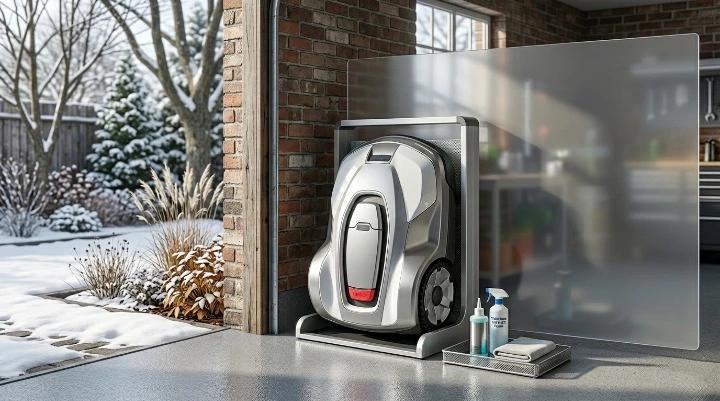
As the colder months approach, it’s easy to forget about your robotic mower once it’s done mowing for the season. However, proper winterization is essential to ensure your mower stays in top condition and is ready to work efficiently come spring. Failing to prepare your robot mower for winter can lead to battery degradation, motor issues, and even corrosion of key components. Whether you own a Husqvarna Automower® or another brand, following a systematic winter care routine can save you time, money, and frustration.
Quick Answer
To winterize your robotic lawn mower:
- Clean thoroughly – remove grass, debris, and moisture from the blades, wheels, and undercarriage.
- Check and maintain the battery – fully charge it before storage and store in a dry, frost-free location.
- Inspect and maintain key components – check blades, sensors, and software updates.
- Store properly – in a dry, indoor location if possible, protected from frost, dust, and pests.
- Re-activate in spring – recharge fully, inspect blades, and verify boundary settings before the first mow.
Following these steps ensures your mower remains reliable and extends its operational life, preventing costly repairs and downtime.
Pre-Storage Maintenance: Getting Your Mower Ready
Before storing your robotic mower for winter, a thorough pre-storage maintenance routine is essential. This step ensures the mower stays in optimal condition and avoids unnecessary wear or damage during the months it sits idle.
Thorough Cleaning
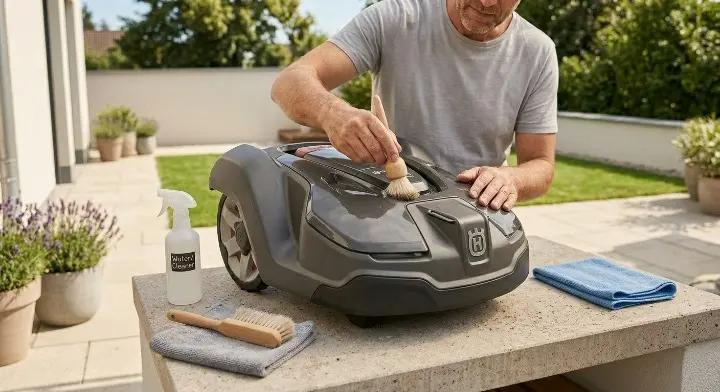
Start by removing grass clippings, dirt, and moisture from the mower. Pay special attention to:
- Blades and cutting deck: Grass can stick and cause corrosion or dull the blades.
- Wheels and undercarriage: Residue here can attract pests or promote rust.
- Sensors and charging contacts: Clean gently with a dry cloth to prevent interference.
User Tip: Some Husqvarna owners note that cleaning the undercarriage and wheels before storage prevents the mower from getting stuck or losing traction when reactivated in spring.
What do you do with your mower in the winter?
View DiscussionBlade Inspection and Replacement
Inspect the blades carefully for any nicks, bends, or dull edges. Depending on wear, either sharpen or replace them. Sharp, undamaged blades reduce motor strain and ensure a clean cut once you resume mowing.
Pro Tip: Even if blades seem fine, replacing them before winter ensures optimal performance in spring without the hassle of mid-season maintenance.
General Inspection
Check for loose screws, worn wheels, or any signs of damage. Ensure all moving parts rotate freely and that no debris is trapped in gear areas. This is also a good time to inspect rubber seals or weatherproofing elements that protect electronics.
Software Updates
Many robotic mowers, including Husqvarna models, receive firmware updates that improve performance and battery management. Before storing the mower, check for any pending updates and install them. This prevents issues arising from outdated software when you reactivate it next season.
Battery Care: The Heart of Your Robot Mower
The battery is the most critical component of your robotic mower. Proper winter care can significantly extend its lifespan and ensure a smooth start in spring. Neglecting battery maintenance is one of the main reasons mowers fail after months of storage.
Charge Level
Before storing, make sure your battery is charged to the recommended level, typically around 50–70% for lithium-ion batteries. Storing a battery fully drained or fully charged can reduce its overall lifespan.
User Tip: A Husqvarna Automower owner on Facebook mentioned charging the battery to roughly 60% before storage and unplugging it from the dock, which helped maintain battery health throughout the winter.
What is involved in winterizing a zero turn mower?
View PostDisconnecting the Battery (If Applicable)
Some robotic mowers allow you to disconnect the battery. If your model permits, remove the battery from the mower to prevent any slow power drain over the winter months. Store the battery in a dry, frost-free location.
Charging Station Care
Even if you remove the battery, the charging station should be inspected and cleaned. Remove any debris, check power cords for damage, and make sure the station is protected from moisture. If leaving the station plugged in, ensure it’s in a location where it won’t be exposed to frost or water.
Pro Tip: If your mower uses a lithium-ion battery, avoid charging it in freezing conditions. Extremely low temperatures can permanently damage the cells.
Storage Environment: Finding the Right Spot
Where you store your robotic lawn mower during winter matters just as much as how you prepare it. Even a well-maintained machine can develop issues if it’s left in the wrong environment for months.
Dry and Frost-Free
The ideal storage location is a dry, frost-free indoor space such as a garage, basement, or shed with stable temperatures. Cold and moisture are the two biggest risks during winter storage.
- Avoid freezing temperatures that can stress the battery and seals
- Keep humidity low to reduce the risk of corrosion
- Make sure the mower is not sitting directly on cold concrete if possible
Husqvarna Automower users often store their units indoors specifically to protect electronics and battery performance over long winters, especially in colder climates.
Protection from Pests and Dust
Winter storage isn’t just about temperature—pests and dust can also cause long-term damage if the mower is left unprotected.
To reduce risk:
- Cover the mower with a breathable cloth (not plastic wrap, which can trap moisture)
- Keep it off the floor if rodents are a concern
- Store the charging cable and accessories neatly to avoid chewing or tangling
Even small issues like dust buildup on sensors or charging contacts can lead to problems when restarting in spring.
Optional: Outdoor Storage Considerations
If indoor storage is not possible, the mower should still be protected as much as possible. Some users keep their Husqvarna Automower outdoors in a covered charging station.
In that case:
- Use a dedicated mower garage or weatherproof cover
- Ensure good ventilation to avoid condensation buildup
- Avoid areas where snow or standing water can accumulate
Outdoor storage is generally less ideal, but with proper protection, it can still be workable for milder climates.
Tips for Re-activation in Spring
After months in storage, getting your robotic mower back into action requires more than just pressing “start.” A careful reactivation ensures performance, longevity, and safety for the new mowing season.
Review the Manual
Even if you’ve been using your mower for years, reviewing the user manual before reactivation is a good habit. Husqvarna Automower models sometimes have model-specific instructions for spring startup, such as recommended battery reconnect procedures or sensor recalibration steps.
Recharge Fully
Batteries degrade if left partially charged during storage. Before putting the mower back on the lawn:
- Fully recharge the battery according to manufacturer instructions
- Check for any signs of swelling, leakage, or damage
- If the battery is removable, inspect contacts for corrosion
A fully charged and healthy battery helps prevent mid-season interruptions and ensures maximum cutting efficiency.
Check Boundaries
Before resuming regular mowing:
- Inspect the boundary wire for damage, shifting, or buried debris
- Make sure guide wires are still correctly positioned
- Recalibrate the mower if the manual recommends it
Even minor shifts in the lawn or wires over winter can affect coverage and safety.
Inspect Blades Again
Blades may have rusted slightly during storage or lost sharpness. To ensure a clean cut:
- Examine each blade for nicks, bends, or corrosion
- Replace any damaged blades
- Reinstall securely according to the manual
Sharp blades improve cutting efficiency, reduce battery strain, and maintain lawn health.
These steps may seem small, but taking the time now can prevent springtime surprises, improve cutting quality, and extend your mower’s lifespan.
Common Mistakes to Avoid When Winterizing Your Robotic Mower
Winter storage is essential, but many mower owners unintentionally make mistakes that can shorten the lifespan of their robotic mower or reduce its performance in spring. Here are the most common pitfalls to avoid:
1. Storing With a Dirty Mower
Even if it’s tempting to just tuck the mower away, leaving dirt, grass clippings, and moisture on the deck or blades can cause rust, corrosion, and mold growth. Always perform a thorough cleaning before storage—this prevents buildup that could damage components over winter.
2. Ignoring Battery Care
One of the biggest mistakes is leaving the battery either fully discharged or fully charged for months. Both extremes can reduce battery life. Follow manufacturer guidance for winter battery storage—usually around 50–70% charge for lithium batteries.
3. Improper Storage Location
Placing your mower in damp, cold, or unprotected areas increases the risk of component damage. Avoid basements with condensation, garages prone to freezing, or outdoor storage without protection. A dry, frost-free environment is crucial.
4. Neglecting Firmware or Software Updates
Some robotic mowers, including Husqvarna Automower models, benefit from firmware updates released over the winter. Skipping updates can result in missed improvements to navigation, safety, or battery management.
5. Storing With Blades Installed (Optional Warning)
Leaving blades on during storage isn’t always critical, but some users risk dulling or rusting the blades. If your manual recommends removing blades, follow that instruction—especially if you live in humid climates.
6. Forgetting to Inspect Peripherals
Charging stations, guide wires, and boundary wires can suffer minor damage over the winter. Failing to inspect these items before storage or before spring activation can cause coverage gaps, mower errors, or unexpected stops.
Avoiding these mistakes ensures your robotic mower comes out of winter ready for optimal performance and prevents costly repairs or replacements later.
Professional Winter Service for Your Robotic Mower (Optional)
While most robotic mower owners handle winterization themselves, many manufacturers and dealers offer a professional winter service. This is optional, but it can be useful if you want extra peace of mind or if your mower has been heavily used throughout the season.
Why Annual Service Matters
A yearly check by a technician can help catch small issues before they become expensive problems. This is especially relevant for Husqvarna Automower models that run frequently or cover larger lawns.
Professional servicing typically helps with:
- Early detection of worn mechanical parts
- Battery health evaluation
- Sensor and navigation system checks
- Software diagnostics and updates
For some users, this is a convenient way to ensure the mower is fully ready for spring without doing a detailed inspection themselves.
What’s Typically Included
A standard winter service package usually includes a full inspection and cleaning of key components, such as:
- Cutting system and blade assembly
- Wheels and drive motors
- Charging contacts and docking station
- Internal diagnostics for electronics
Some dealers may also replace worn parts like blades or seals during the service if needed.
Winter Storage Services
In colder regions, certain authorized dealers offer winter storage programs where the mower is collected, serviced, and stored indoors until spring.
This can be helpful if:
- You don’t have suitable indoor storage space
- You want the battery professionally maintained
- You prefer a fully serviced “ready-to-go” mower in spring
Pro Tip: If you rely heavily on your robotic mower or manage a larger lawn, a professional winter service once a year can extend the machine’s lifespan and reduce unexpected downtime during peak mowing season.
Conclusion
Proper winterization is essential to keep your robotic mower running smoothly year after year. Taking the time to clean, inspect, and store your mower correctly, care for the battery, and prepare the storage environment ensures that your mower is ready to tackle your lawn come spring. Whether you choose to handle it yourself or invest in a professional winter service, a little preparation now can save you costly repairs and frustration later. Remember: the goal is not just to preserve your mower, but also to maintain optimal performance for seasons to come.