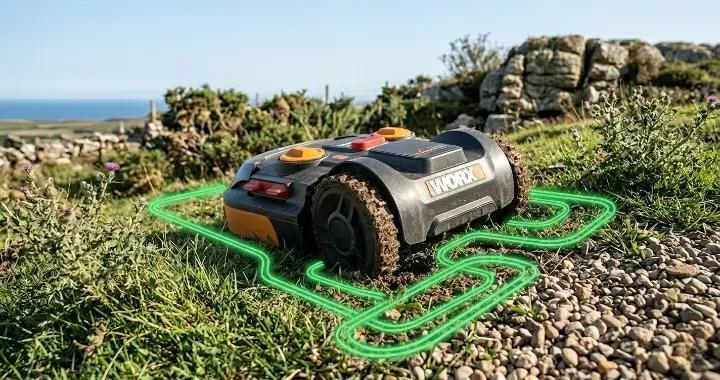

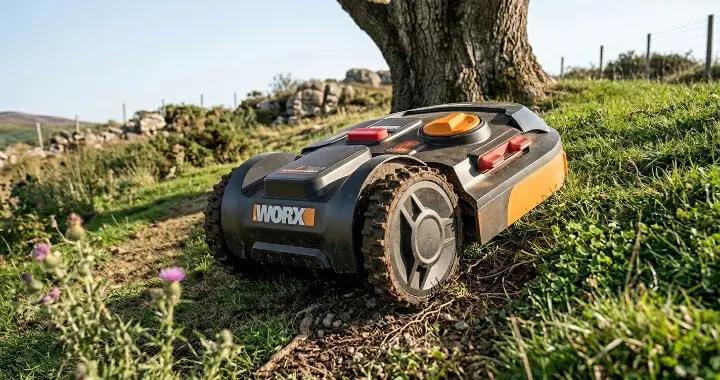
Robot lawn mowers are becoming very popular in the United States. Many homeowners like them because they save time and cut grass automatically. One of the most well-known models is the Worx Landroid.
But there is one common problem that many users run into: slopes.
A lawn that looks simple on paper can become a real challenge in practice. Even if a mower is rated to handle slopes, real yards are not perfect. Grass can be wet, soil can be soft, and hills are often uneven.
This is where many Worx Landroid owners start to notice issues. The mower may slip, struggle to climb, or have trouble near edges and boundary wires. Some users even feel that the advertised slope performance does not match real-life results.
In this guide, we will take a clear and honest look at how the Worx Landroid performs on slopes. We will explain what works, what doesn’t, and why these problems happen. Most importantly, we will also show practical ways to fix or improve its performance using simple adjustments and accessories.
If you are dealing with a sloped lawn, or planning to buy a robot mower for one, this article will help you understand what to expect before you spend time or money.
Can Worx Landroid Really Handle Slopes?
Worx Landroid is often advertised as being able to handle slopes of up to around 30% to 35%, depending on the model. At first glance, this sounds like it should work for most home lawns in the U.S.
But in real-world use, things are not that simple.
A slope rating is usually tested in controlled conditions. This means dry grass, firm soil, and a clean, simple surface. In these ideal settings, the mower can climb and cut without much trouble.
However, most residential lawns are not ideal. Many yards have soft soil, uneven ground, patches of thick grass, or areas that get wet after rain or irrigation. These small changes can make a big difference in how well the mower performs.
In practice, some users find that the Landroid starts to struggle at slopes that are lower than the advertised limit. Instead of climbing smoothly, the wheels may spin or lose grip. On downhill sections, the mower may also move faster than expected, which can affect cutting quality and stability.
Another important detail is that slope ratings do not always reflect transitions. For example, a lawn may not be steep overall, but small incline changes near edges, fences, or boundary wires can still cause problems. These are often the exact spots where users report issues.
So the truth is simple: the Worx Landroid can handle slopes, but only under the right conditions. The marketing numbers represent the best-case scenario, not the average backyard experience.
This gap between expectation and reality is why many owners start looking for adjustments, settings changes, or accessories to improve traction and stability.
Why Robot Mowers Struggle on Slopes (Simple Technical Explanation)
Robot mowers look simple from the outside, but they depend on a balance of traction, weight, and control systems. When a lawn is flat, these systems work together smoothly. On slopes, that balance becomes harder to maintain.
One of the main reasons is traction. Robot mowers use small wheels with limited grip compared to larger lawn equipment. On flat ground, this is enough. But on an incline, gravity pulls the mower downward while the wheels try to push it upward. If the grass is wet, soft, or sandy, the wheels can start to slip instead of gripping the ground.
Another factor is weight distribution. Most robot mowers are relatively light. This helps them move efficiently and use less battery power, but it also means they do not press strongly into the ground. On slopes, less weight on the wheels can reduce friction, which makes slipping more likely.
Cutting behavior also plays a role. When a mower is going uphill, it uses more battery power and motor force. If the surface is uneven, the machine may adjust its movement often, which can reduce stability. On downhill paths, the mower can sometimes move faster than intended, which affects cutting consistency.
Boundary wires and navigation systems can add another layer of difficulty. On sloped areas near edges or fences, the mower may change direction more often. These repeated turns on an incline can increase wheel spin and make it harder to maintain a steady path.
Finally, grass conditions matter a lot more than most people expect. Wet grass reduces friction significantly, even on mild slopes. A lawn that works perfectly in dry summer conditions may become difficult to manage after rain or early morning dew.
In short, robot mowers struggle on slopes not because of a single flaw, but because several small limitations stack together. Traction, weight, terrain, and control logic all become harder to manage at the same time when the ground is not flat.
Real User Problems Reported on Slopes (From Field Experience)
When you look at real user feedback, especially from forums and communities, a clear pattern shows up. The Worx Landroid can work on slopes, but certain problems appear again and again when the lawn is not flat.
One of the most common issues is wheel slipping. On even mild slopes, the mower may struggle to maintain grip, especially if the grass is wet or soft. Instead of moving forward smoothly, the wheels spin in place and the mower slowly loses traction.
Another frequent problem is getting stuck near boundary wires. Sloped areas often sit next to fences, edges, or tight corners. When the mower turns in these areas, it can lose balance or slide slightly before correcting itself. Over time, this can cause repeated stops or error messages.
Users also report sliding on downhill sections. Instead of maintaining a controlled descent, the mower may drift toward edges or hard objects like bricks, fences, or garden borders. This is especially noticeable when the soil is loose or uneven.
Uneven cutting is another issue. On slopes, the mower may not maintain a consistent height or path. This can lead to visible striping or patches of longer grass, especially in areas where traction is weak.
Some users also mention frequent “lifted” or “stuck” alerts. These happen when the mower’s sensors detect instability, even if the machine is not physically stuck. On uneven terrain, small wheel lifts or bumps can trigger these warnings more often than expected.
Across different reports, one thing is clear: slope-related problems are not rare edge cases. They are a normal part of using robot mowers on real residential lawns. While some users manage to work around these issues with adjustments, others find that the mower requires more tuning and maintenance than expected.
Why “35% Slope Rating” Is Misleading in Real Lawns
Many robot mower brands, including Worx Landroid, advertise a maximum slope rating such as 30% or 35%. At first, this sounds very impressive. It suggests the mower can handle most hills in a typical backyard.
But this number does not always reflect real lawn conditions.
A slope rating is usually measured in ideal test environments. These tests often use dry, even ground with short grass. In this setup, the mower has the best possible chance to climb without slipping. Real lawns are very different from this controlled setting.
One major difference is soil type. A slope on hard, compact soil is very different from a slope on soft or sandy ground. Soft soil reduces traction and makes it easier for wheels to dig in or slip. This is something slope ratings do not fully capture.
Another factor is moisture. Grass that is wet from rain, dew, or irrigation can significantly reduce friction. Even a moderate slope can become difficult when the surface is slippery. In real yards, this condition is very common, especially in the morning or after watering.
Edge transitions also matter. Many lawns are not one smooth hill. Instead, they have small changes in angle near fences, paths, flower beds, or boundary wires. These transitions create short but steep moments that can be harder than the overall slope itself.
In addition, slope ratings do not account for real mowing behavior. Robot mowers do not move in straight lines like test machines. They turn frequently, adjust direction, and react to obstacles. On a slope, every turn increases the chance of wheel slip or instability.
Because of these factors, the advertised slope number should be seen as a best-case guideline, not a guaranteed real-world performance level. Many users find that their actual usable slope is lower once real lawn conditions are taken into account.
What Actually Works (Real Fixes That Users Use)
Even though Worx Landroid can struggle on slopes, many users have found practical ways to improve performance. These are not official “perfect solutions,” but real adjustments that make a noticeable difference in everyday use.
One of the most effective changes is mowing strategy. Instead of letting the mower randomly work across the entire yard, some users guide it by adjusting zones or mowing schedules. For sloped areas, it often works better to mow more frequently but remove less grass each time. This reduces load on the wheels and helps prevent slipping.
Another simple but important fix is cutting height. Setting the mower to a slightly higher cutting level can reduce resistance on the wheels. When the mower is not dragging through thick or long grass, it moves more smoothly and maintains better traction on inclines.
Mowing direction also matters more than most people expect. On slopes, mowing straight up and down is often more stable than cutting across the hill. This reduces sideways slipping and helps the wheels maintain consistent contact with the ground.
Some users also improve performance by managing moisture conditions. Slopes are much harder to handle when the grass is wet. Avoiding mowing right after rain or early morning dew can significantly reduce slipping and stuck events.
Finally, keeping the wheels clean makes a difference. Grass buildup on the tires can reduce grip over time. Regular cleaning helps maintain traction, especially on areas where the mower repeatedly climbs and turns.
While these fixes do not completely eliminate slope limitations, they can noticeably improve stability and reduce errors. Most experienced users combine several of these adjustments together instead of relying on just one change.
Best Accessories to Improve Worx Landroid Slope Performance
If basic adjustments are not enough, many Worx Landroid owners turn to physical accessories to improve slope performance. These upgrades do not change the core design of the mower, but they can improve traction, stability, and overall control on uneven ground.
One of the most commonly used upgrades is wheel spike kits or traction spikes. These are small add-ons that attach to the wheels and help the mower grip the ground better. On slopes, they can reduce wheel slipping, especially on soft soil or slightly wet grass. Many users report that this is one of the simplest and most noticeable improvements.
Another option is replacement tires with deeper tread patterns. Standard wheels are designed for general use, but they are not always optimized for steep or loose terrain. Tires with stronger grip patterns can help the mower maintain contact with the ground when climbing or turning on inclines.
Some users also invest in boundary wire installation accessories, such as stronger stakes or improved fixing tools. While this does not directly increase traction, it helps stabilize the mowing path on slopes. A properly secured boundary wire reduces sudden turns or corrections that can cause wheel slip in tricky areas.
There are also terrain enhancement kits available from third-party sellers. These kits may include upgraded wheels, spikes, or reinforcement parts designed specifically for uneven lawns. While quality can vary, they are popular among users who have persistent slope issues.
In some cases, users also experiment with adding weight to the mower to improve ground pressure. A slightly heavier mower can increase wheel grip, but this must be done carefully to avoid overloading the motor or affecting battery life.
Overall, accessories can significantly improve slope performance when used correctly. However, they work best when combined with proper mowing setup and terrain management. Most experienced users treat them as part of a complete system rather than a single fix.
DIY Modifications Users Report (Advanced Fixes)
Beyond standard settings and accessories, some experienced users go a step further and try DIY modifications to improve slope performance. These methods are not officially recommended, but they are commonly discussed in user communities where people deal with difficult terrain.
One of the most frequent DIY upgrades is adding extra traction to the wheels. Some users attach homemade spikes or grip strips to the existing tires using screws or adhesive materials. The goal is to increase surface friction so the wheels can bite into the soil instead of sliding on top of it.
Another common approach is modifying the mowing zones. Instead of allowing the mower to freely navigate the entire sloped area, users manually reshape the boundary wire layout. By slightly adjusting the wire placement, they can reduce sharp turns on inclines and guide the mower into smoother paths. This can lower the chance of slipping or getting stuck.
Some users also experiment with physical barriers at the bottom of slopes. For example, placing bricks, wooden edges, or low stops can prevent the mower from sliding into fences or garden borders. In certain cases, these barriers act as a “catch zone,” helping the mower stabilize before it changes direction.
There are also reports of users adjusting mower weight in small ways. Adding light, balanced weight can sometimes improve traction on uphill sections. However, this is risky if done incorrectly, because too much weight can strain the motor or reduce battery efficiency.
It is important to note that these DIY fixes vary in effectiveness. What works well in one yard may not work in another, depending on soil type, slope angle, and grass conditions. For this reason, most experienced users treat DIY modifications as experimental solutions rather than guaranteed fixes.
In general, these methods show an important reality: many slope problems are not fully solved by software settings alone. They often require physical adjustments to how the mower interacts with the terrain.
When Worx Landroid Is NOT a Good Choice for Slopes
Even though Worx Landroid can work well in many home lawns, there are situations where it is simply not a good fit. Understanding these cases early can save time, money, and frustration.
One clear limitation is steep or uneven terrain that is close to or above the real-world slope limit. While the mower may be rated for higher percentages, consistent performance on steep hills is not guaranteed. In these cases, wheel slip, stopping errors, and uneven cutting become more frequent.
Another difficult situation is wet or soft ground. Lawns with clay soil, sandy areas, or poor drainage can significantly reduce traction. On slopes, this effect becomes even stronger. The mower may struggle to climb, or it may slide during turns and edge transitions.
Complex yard layouts are also a challenge. If a lawn has many small hills, narrow passages, or frequent changes in elevation, the mower has to adjust direction constantly. On sloped ground, these repeated turns increase the chance of instability and stuck events.
Shaded lawns can also create problems that are often overlooked. Areas that stay damp for long periods tend to have lower friction. When combined with slopes, this creates one of the hardest environments for a lightweight robot mower to handle reliably.
In these situations, the issue is not just the mower itself, but the environment it is being asked to work in. Even with accessories or adjustments, performance may still feel inconsistent.
For users with these types of lawns, a different type of robot mower, a heavier-duty model, or even a traditional lawn service may be a more practical long-term solution.
Better Alternatives for Sloped Lawns
If your yard has steep or difficult slopes, it may be worth considering other options besides the Worx Landroid. Some robot mowers are designed with stronger traction systems, heavier frames, or more advanced navigation, which can make a real difference on uneven terrain.
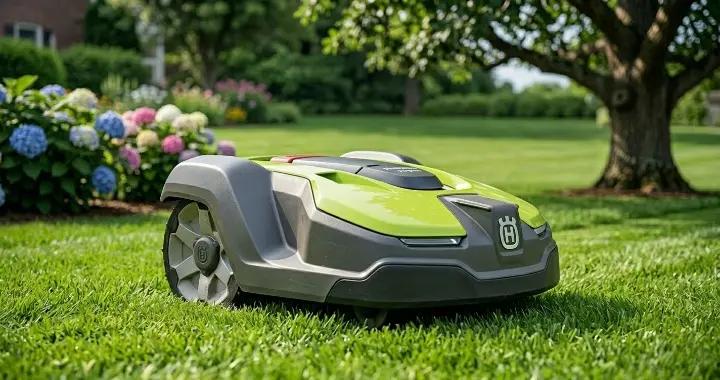
One of the most well-known alternatives is the Husqvarna Automower series. These models are generally heavier and built with better balance on hills. Many users report more stable performance on sloped lawns, especially in mixed terrain conditions where traction is important.
Another option is higher-end 4WD robotic mowers. These machines use all-wheel drive systems that help distribute power more evenly across the ground. This design improves grip and reduces wheel slip on inclines, making them more suitable for challenging yards.
Some newer models, like GPS-based robotic mowers, also offer improved navigation compared to traditional boundary-wire systems. While GPS does not directly improve traction, it can reduce unnecessary turning and help the mower move more efficiently across sloped areas.
For very steep or inconsistent lawns, some homeowners still prefer a hybrid approach. This may include using a robot mower for flat sections and relying on manual trimming or occasional lawn service for the more difficult areas.
In the end, the best choice depends on your yard conditions. If slopes are mild and well-maintained, the Worx Landroid can still be a good option with the right setup. But for more demanding terrain, a heavier-duty system may provide a more consistent and low-maintenance experience.
Conclusion
Worx Landroid can be a helpful robot mower for many homeowners, especially on flat or mildly uneven lawns. It saves time and handles basic mowing tasks well when conditions are stable.
However, slopes are where its limits become more visible. Real-world lawns are not perfect, and factors like wet grass, soft soil, and frequent turns can make traction more difficult than expected. This is why some users experience slipping, uneven cutting, or occasional stuck errors even when their yard is within the rated slope range.
The good news is that many of these issues can be improved. Simple changes like adjusting mowing direction, avoiding wet conditions, and maintaining clean wheels can make a noticeable difference. For more difficult yards, accessories such as traction upgrades or wheel spikes can further improve stability.
At the same time, it is important to understand when the mower may not be the right fit. Steep or highly complex lawns may require a heavier-duty robotic mower or a hybrid approach that combines automation with manual maintenance.
In the end, success with Worx Landroid on slopes is less about one single solution and more about how well the system is set up for your specific yard. With the right expectations and adjustments, it can still be part of an effective and low-maintenance lawn care setup.